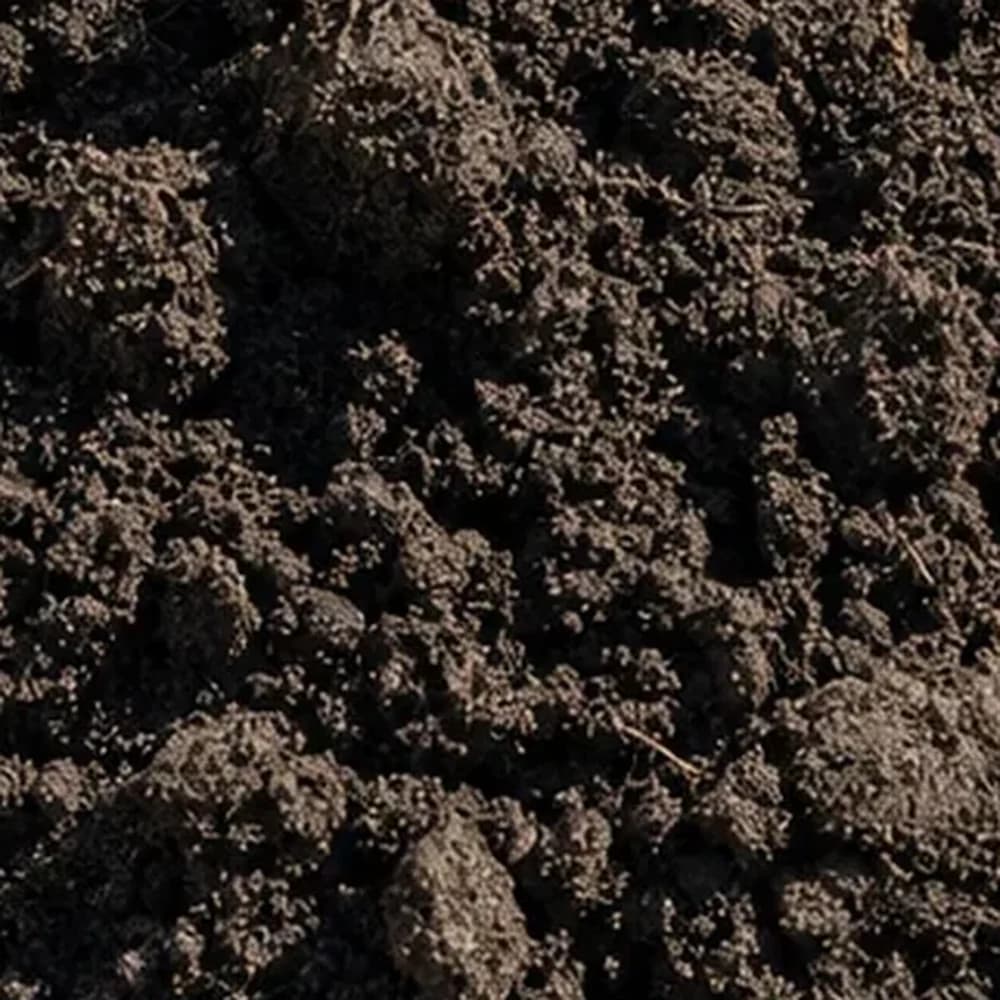
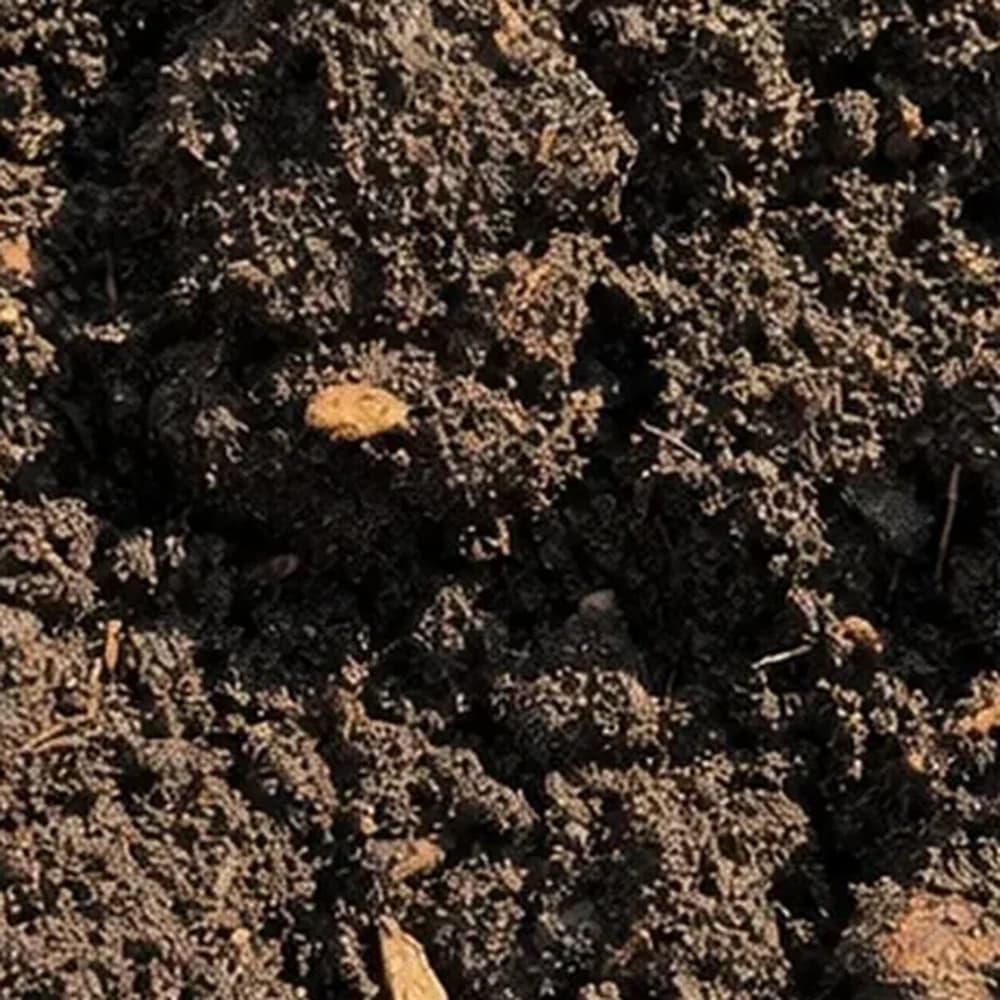
Fill Dirt in Illinois
Slow-draining prairie clay makes Illinois rough grading worth getting right. Fill Dirt supplies screened, compactable earth for backfill and low areas.
- Size: Screened to remove large rocks, roots and debris
- Grading: Minimal organic matter
From $244 for 1 ton, delivery included (larger loads cost significantly less per ton)
Free delivery included
Free delivery anywhere in Illinois
Pick a delivery date
Weekday delivery, earliest Nov 3
Get a Free Quote
Fill out the form and our sales team will get back to you within the hour.
Everything You Need to Know About Fill Dirt
Size and Grading
- Size
- Screened to remove large rocks, roots and debris
- Grading
- Minimal organic matter
Flat prairie clay can retain water, and northern freeze-thaw can expose weak site preparation. Fill Dirt gives Illinois projects screened, compactable earth for reshaping a low section, restoring an excavation, or setting the rough contour beneath a shed or garage area. It has limited organic content, which helps avoid settling associated with decomposing plant matter. The material provides useful volume where elevation must be adjusted before a finished surface is installed.
Begin with the intended drainage path, particularly around the Illinois River or Fox Valley, where an uneven grade can leave water standing. Place and compact Fill Dirt as the grade is built to create a stable subgrade and reduce settling. This rough-grade work is useful before later paving, lawn work, or other site finishes. Where grass or landscape beds are planned, finish with topsoil after grading is complete.
Quickly Calculate How Much You Need
Material: Fill Dirt
How to Measure
Measure the length and width of your project area in feet
Decide on depth in inches (2" for landscaping, 4" for driveways)
Enter the values above and we'll calculate the tonnage you need
Need help figuring out the right amount? We can help!
Call or text us at (847) 469-1546 and we'll help you calculate the right quantity for your project.
Not sure how much you need? The Dirt Calculator has depth guides, coverage charts and worked examples for this material.
Common Uses
Grading and Site Setup
Use fill dirt to set finished elevations at building sites, residential lots, and commercial parcels. Planned slopes and contours help manage drainage, locate buildings, and shape the landscape, particularly where prairie clay holds water.
Foundation Backfill
Place compactable fill dirt around foundations, retaining walls, and below-grade work. With limited organic material, it avoids the decomposition and settlement associated with organic-heavy soil and supports the surrounding grade.
Building Up Low Spots
Raise areas where water ponds, mud develops, or drainage is poor. Increasing the elevation can guide runoff away from structures and occupied areas, which is useful in slow-draining prairie clay.
Reclaiming Pools and Excavations
Use bulk fill dirt to bring former swimming pools, unused basements, excavation cavities, and deep depressions back to grade. Properly compacted material leaves a supportive layer for later building work or a new lawn.
Why Choose Fill Dirt
Bulk Fill for Broad Areas
For large grading and fill areas that do not need planting-grade soil, fill dirt provides the necessary earthwork material. Use it to build up low areas and set rough grades.
Firm Compacted Base
Fill dirt's mineral makeup forms a dense layer when properly compacted, helping limit later movement. It can support structures, paving, and soil placed above it, particularly where deep frost and freeze-thaw cycling affect the site.
Low-Organic Stability
Minimal organic content means fill dirt is not subject to the same decomposition and shrinkage as organic soils. A properly compacted grade can maintain its intended form over time.
Fill for Site Preparation
Use fill dirt to shape rough grades, place backfill, and close open voids as a site is prepared. These base layers support the construction or landscape work that follows.