Drain Rock in Illinois
Mixing Drain Rock into Illinois clay defeats its drainage role; hold it at the wall or trench, where the water path needs to stay clear.
- Size: 3/4 inch to 1-1/2 inch
- Grading: Washed to remove fines and dust
- Type: Rounded or angular varieties
From $380 for 1 ton, delivery included (larger loads cost significantly less per ton)
Free delivery included
Free delivery anywhere in Illinois
Pick a delivery date
Weekday delivery, earliest Nov 3
Get a Free Quote
Fill out the form and our sales team will get back to you within the hour.
Everything You Need to Know About Drain Rock
Size and Grading
- Size
- 3/4 inch to 1-1/2 inch
- Grading
- Washed to remove fines and dust
- Type
- Rounded or angular varieties
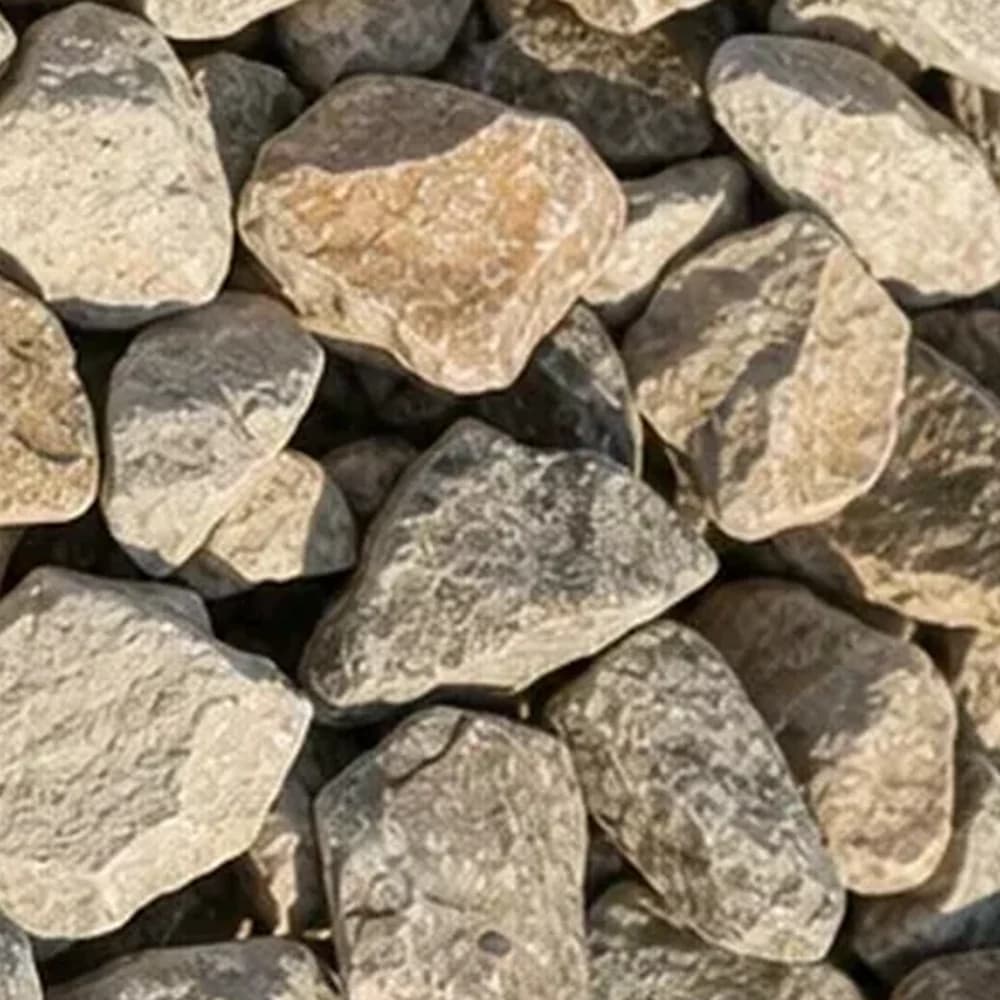
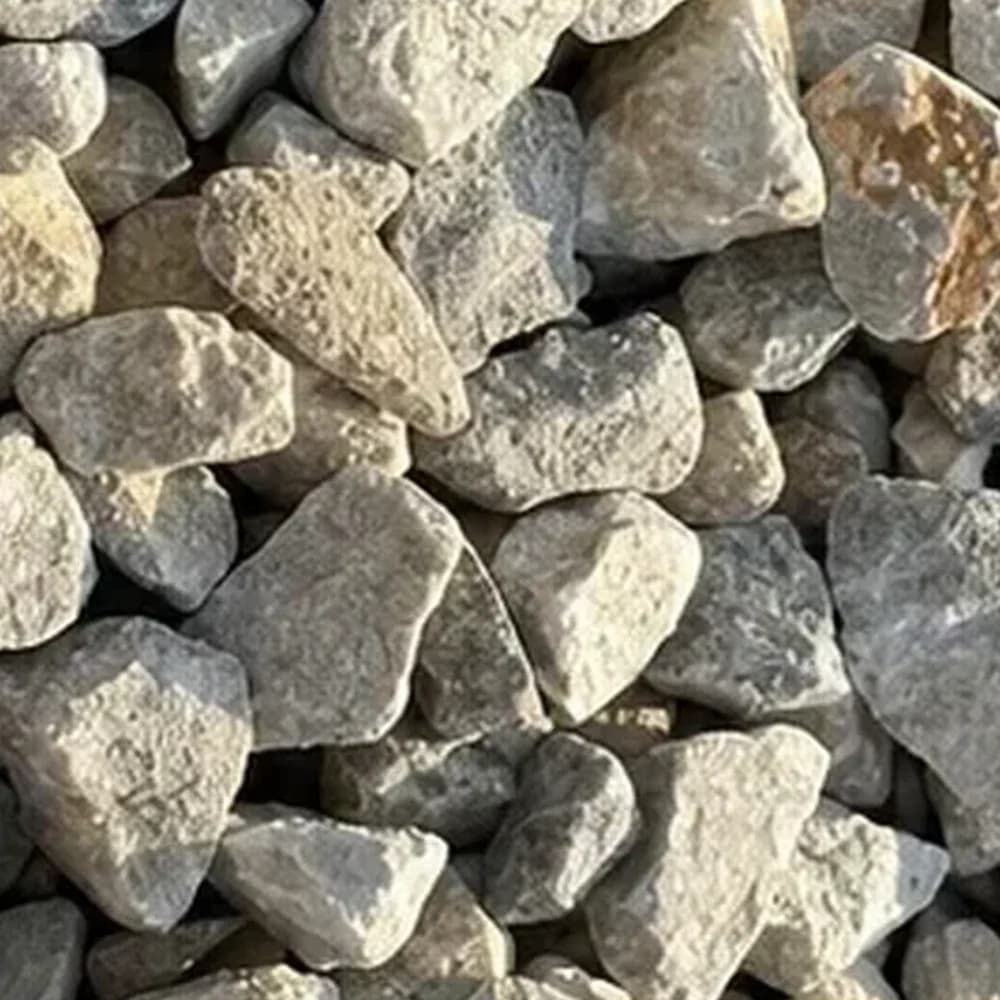
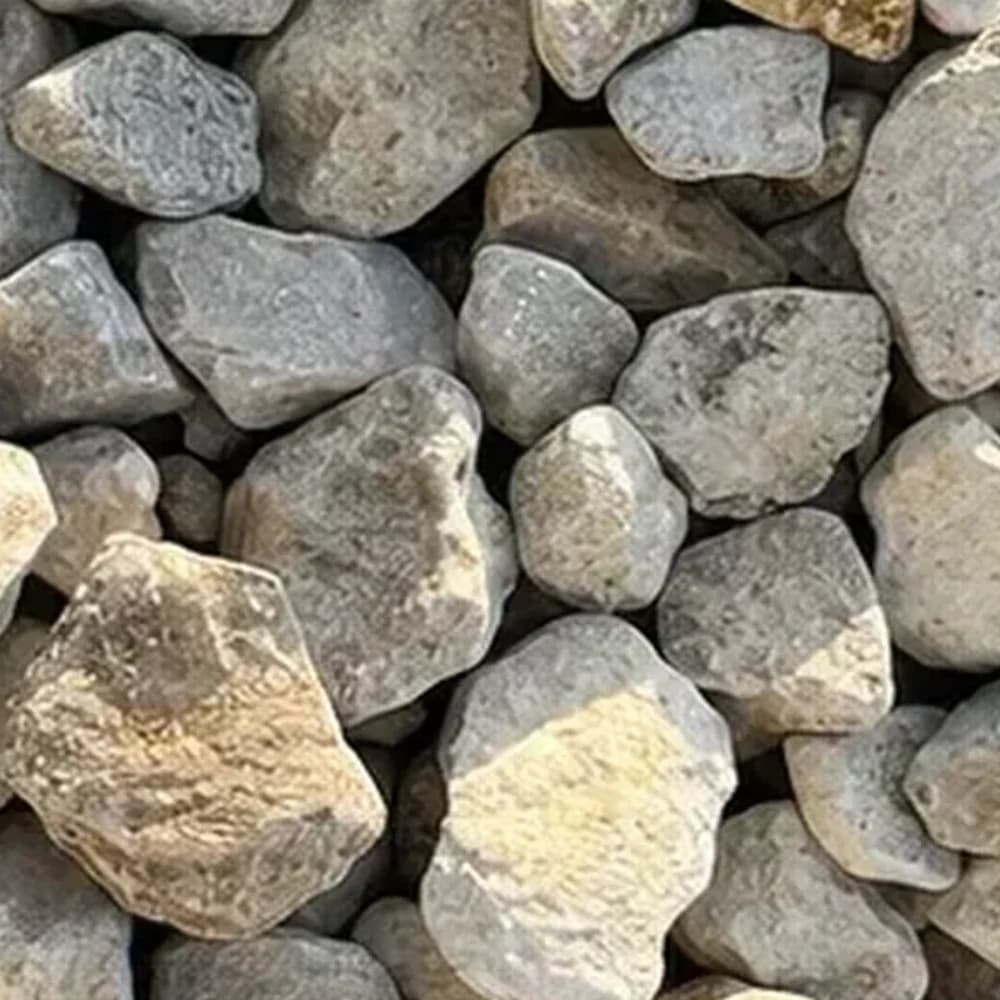
In a wall excavation or drain trench, drainage aggregate should remain separate from the surrounding prairie clay. Drain Rock consists of washed, clean pieces that leave void space through the fill after fines and dust are taken out. Those spaces help pass water across the drainage section instead of allowing it to stay against a foundation or retaining wall. This matters through Illinois freeze-thaw weather, when wet ground is prone to movement.
When wall backfill will bear on the rock, use the angular variety in that drainage zone because the pieces interlock and retain their open arrangement under load. Rounded Drain Rock is better suited to a visible drainage feature with a more natural look. French drains and septic leach fields also rely on the same clear aggregate zone, particularly where slow-draining clay can keep water near the surface.
Quickly Calculate How Much You Need
Material: Drain Rock
How to Measure
Measure the length and width of your project area in feet
Decide on depth in inches (2" for landscaping, 4" for driveways)
Enter the values above and we'll calculate the tonnage you need
Need help figuring out the right amount? We can help!
Call or text us at (847) 469-1546 and we'll help you calculate the right quantity for your project.
Not sure how much you need? The River Rock Calculator has depth guides, coverage charts and worked examples for this material.
Common Uses
French Drain Systems
Use drain rock as the free-draining fill in French drain trenches. The open stone layer carries water away from footings, basement areas, and low spots, which matters where Illinois prairie clay holds moisture.
Septic & Leach Field Construction
Use drain rock beneath septic leach fields and drain fields to form the wastewater infiltration layer. Clean, evenly sized aggregate supports the health department requirements applied to these systems.
Retaining Wall Backfill
Backfill that holds water can put hydrostatic pressure on a retaining wall and contribute to failure. Placing drain rock behind the wall lets water escape through the backfill instead of remaining against the structure.
Foundation Drainage
Place drain rock around foundations so groundwater can move away from walls and footings. This perimeter layer limits moisture entry and the pressure that can contribute to cracks and structural damage.
Why Choose Drain Rock
Water Movement
With fines and dust washed away, drain rock leaves interconnected spaces for water to travel. Those open spaces help drainage systems move water freely.
Holding Open Under Load
Unlike rounded aggregate, angular drain rock interlocks while retaining pathways between the stones under load. This helps limit the settling and compaction that can restrict drainage as time passes.
Washed and Graded Material
Drainage work calls for washed, graded rock where specifications require clean aggregate. It can be paired with drainage fabric, perforated pipe, and related drainage components.
Protection Around Structures
Routing water through drain rock helps keep it from collecting at foundations, retaining walls, and other structures. That reduces moisture exposure and hydrostatic pressure that may lead to structural repairs.